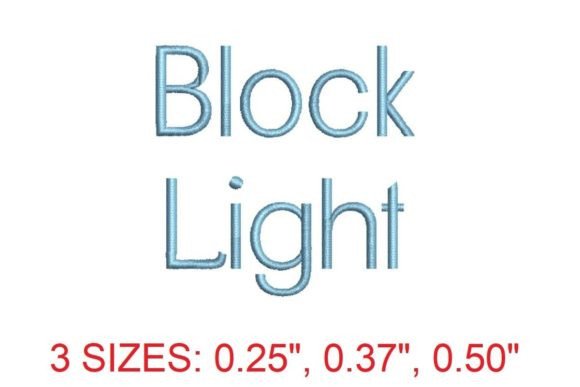
Block Light Embroidery Font: A Designer’s Review for Small Business Branding
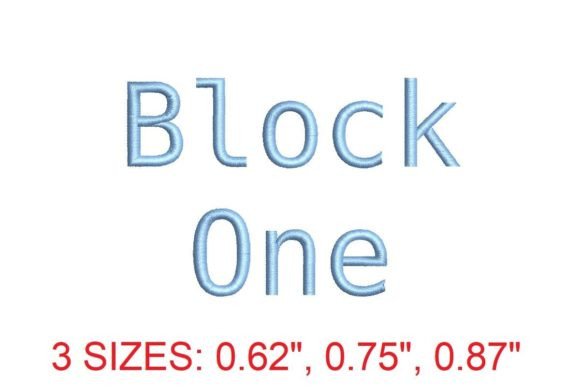
When it comes to selecting the right embroidery font for small business merchandise and branded patches, Block Light Embroidery Font immediately stands out as a clean, modern choice. As an experienced embroidery designer, my goal is always to find fonts that are both visually appealing and technically sound for commercial use. Block Light delivers a sleek, minimalist aesthetic that’s versatile enough for a wide range of branding applications—from embroidered patches and tote bags to caps and aprons.
First Impressions: Sleek, Modern, and Versatile
The name *Block Light* suggests simplicity, and that’s exactly what it delivers. From the product description, I gathered that this font is designed with a streamlined, structured look—perfect for small businesses that want to maintain a professional yet approachable brand identity. It doesn’t lean too bold or too delicate, which makes it ideal for businesses looking to elevate their merchandise without overwhelming the design.
This font feels modern and clean, with a subtle sophistication that makes it suitable for both digital embroidery files and physical embroidered patches. Whether you're branding a boutique, café, or pet product line, Block Light offers a polished presentation that says "quality" without being overly formal.
Real Business Use: Perfect for Merchandise and Branding
One of the most important aspects of any embroidery font is how well it translates across different merchandise types. Block Light shines in this department. Its balanced letter spacing and clear lines make it highly readable at a variety of sizes, which is essential for small business merch like:
- Embroidered patches: – Works beautifully as a standalone patch or as part of a layered design. The font maintains clarity even when stitched in a small format.
- Cap embroidery: – The lightness of the font helps prevent the front of a cap from looking too heavy or cluttered.
- Apron and uniform embroidery: – Ideal for staff branding, especially for businesses that want a clean, professional look.
- Tote bag design: – Adds a subtle but effective branding element, especially when paired with minimalist graphics or icons.
- Product packaging accents: – Use it for embroidered tags or labels on handmade products to enhance perceived value and brand recognition.
From a design perspective, Block Light integrates well with other design assets. It’s not so stylized that it competes with surrounding graphics, yet it still carries enough personality to stand on its own. For Etsy sellers and craft businesses, this font can help maintain visual consistency across product lines, packaging, and marketing materials.
Where to Use It Carefully
While Block Light is a strong contender for most embroidery applications, there are a few situations where it should be used with caution:
- Very small patch sizes: – Although it performs well at reduced sizes, extremely tiny patches may cause the letters to lose clarity.
- Curved surfaces: – The structured nature of the font may not adapt well to highly curved areas like sleeves or the sides of caps without slight adjustments.
- Textured or dark fabrics: – The lightness of the font could get lost on rough or dark materials unless paired with high-contrast thread colors.
- Frequent washing items: – While the font itself is durable, stitch density and thread quality will affect longevity, especially on items like aprons or uniforms.
I always recommend testing Block Light in black and white first to evaluate contrast and spacing. Once you’re satisfied with the design, experiment with thread colors to ensure readability and brand alignment.
Brand Identity and Customer Engagement
Choosing the right font isn’t just about aesthetics—it's about reinforcing your brand identity. Block Light supports a professional, modern image that small businesses can rely on to build trust and recognition. Whether it’s stitched onto a tote bag or embroidered onto a staff uniform, this font contributes to a cohesive visual language that customers will come to associate with your brand.
In today’s handmade and small business marketplaces, visual consistency is key. Block Light helps maintain that consistency across physical products and digital mockups. When used in conjunction with printable mockups, it gives clients a clear preview of the finished product, making client approvals smoother and more confident.
Before using Block Light Embroidery Font in a commercial embroidery project, here are some key steps I recommend:
- Test it at small sizes: – Ensure legibility on patches and small embroidered tags.
- Check spacing and stitch density: – Avoid overly tight spacing that could compromise clarity.
- Use proper stabilizer: – Especially when working with stretchy or textured fabrics.
- Confirm hoop size compatibility: – Make sure the font fits within your machine’s hoop dimensions.
- Create a mockup for client approval: – Visualizing the font in context helps avoid costly revisions.
- Compare with existing design assets: – Ensure it aligns with your brand’s visual style and other embroidery files.
- Verify commercial licensing: – Always confirm that the digital embroidery file is approved for business use.
Keep in mind that while the product description mentions compatibility with the PES file format and Brother machines, it’s wise to double-check stitch count, hoop size, and licensing terms directly with the provider before production.
Final Thoughts
Block Light Embroidery Font is a reliable, modern option for small businesses and craft entrepreneurs looking to enhance their branded merchandise. Its clean, professional appearance makes it a versatile choice for patches, apparel, tote bags, and more. Whether you're designing for a local bakery, boutique, or creative studio, this font can help elevate your brand identity and deliver a polished, consistent look across your product line.
As with any embroidery file, it's essential to test Block Light thoroughly before full production. But once properly integrated, it becomes more than just a font—it becomes a key part of your brand’s story.