No Need to Know Font: A Designer’s Honest Review
First Impressions: Sweet, Simple, and Surprisingly Versatile
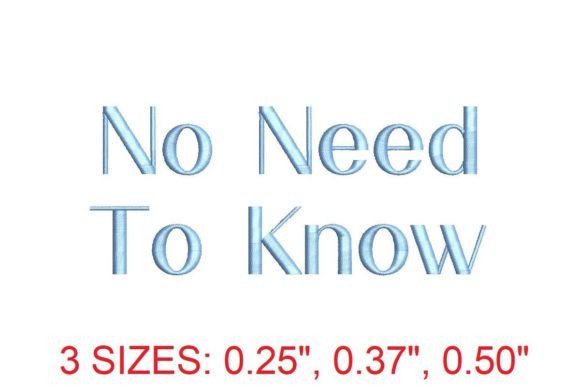
As an embroidery designer who creates personalized gifts for a living, I’m always on the lookout for fonts that strike a balance between charm and clarity. The No Need to Know Font immediately caught my eye with its soft, flowing lines and gentle curves. It gives off a handmade, slightly whimsical vibe that feels perfect for baby items, nursery decor, and heartfelt keepsakes. The font has a subtle elegance that doesn’t overpower the fabric, yet it still carries enough personality to make a statement. Whether stitched on a soft cotton onesie or a linen kitchen towel, this font feels warm and inviting.
Perfect for Personalized Baby Embroidery
Baby products are a huge part of my custom embroidery business, and I was eager to test how this font would look on tiny garments and blankets. I stitched a newborn’s initials onto a muslin swaddle and was instantly charmed. The No Need to Know Font is delicate enough to complement the softness of baby items without looking too fragile. It holds up well on small hoop sizes, though I’d recommend keeping the lettering above 0.5 inches to maintain legibility. It’s also a great fit for embroidered burp cloths, bibs, and nursery pillows, where a gentle, sweet aesthetic is key.
Wedding Keepsakes and Family Heirlooms
Wedding gifts are another major category for my shop, and I found this font to be a lovely choice for embroidered handkerchiefs, pillow covers, and custom tote bags. It lends a romantic, timeless quality to the finished product, especially when paired with lace or satin fabrics. I stitched “Mr. & Mrs.” onto a linen pillow and was impressed by how well the font balanced simplicity with sophistication. It's not overly ornate, which makes it versatile for both rustic and modern wedding themes. For family keepsakes like memory blankets or embroidered photo frames, this font adds a heartfelt, personal touch that customers love.
Great for Towels, Aprons, and Everyday Items
When I tested the No Need to Know Font on kitchen towels and aprons, I was pleased with how it adapted to different fabric textures. On a thick cotton towel, the font remained crisp and readable, though I did notice that stitch density played a big role in maintaining clarity. I’d suggest using a lightweight stabilizer and checking the thread color contrast carefully—especially on darker fabrics. For aprons, this font adds a sweet, homey charm that’s perfect for personalized gifts or small shop Etsy listings. It also works well for back to school items like embroidered lunch bags or backpack tags, especially in soft pastel thread colors.
Where to Use It Carefully
- Small lettering: Below 0.4 inches, the font starts to lose definition.
- Textured or stretchy fabric: May distort the design slightly.
- Curved surfaces: Test hoop placement first to avoid distortion.
- Dark fabric: Ensure thread contrast is strong for visibility.
- Frequent washing: Confirm stitch density and stabilizer use to prevent fraying.
How It Boosts Giftability and Customer Trust
One of the biggest selling points of this font is how it elevates the perceived value of a finished product. Because of its elegant yet approachable style, customers tend to see items embroidered with the No Need to Know Font as more premium. This is especially important for Etsy sellers and small shop owners who rely on emotional connection to convert browsers into buyers. When I used it on a custom tote bag with a name and date, the customer said it felt “like a luxury keepsake.” That kind of feedback is gold for handmade sellers looking to build trust and repeat business.
Photography and Presentation Tips
This font photographs beautifully, especially in soft natural light. I found that using a printable mockup before stitching helped visualize how the font would look on different products. When photographing the finished embroidered towel or pillow cover, I made sure to highlight the font’s clean lines and gentle curves. These shots performed well on social media and Etsy listings, drawing attention to the handmade quality of the item. For digital embroidery file sellers, including a variety of mockups on light and dark fabric is a must to show how the font adapts to different styles.
Practical Embroidery Notes for Best Results
- Always test on scrap fabric before stitching on the final product.
- Check thread color contrast on both light and dark fabric mockups.
- Confirm your hoop size matches the font dimensions to avoid distortion.
- Review stitch density—especially for textured or stretchy materials.
- Use a lightweight stabilizer for smooth, clean lines.
- After stitching, inspect small details under good lighting to ensure clarity.
- Before selling, confirm the design’s commercial licensing terms to avoid legal issues.
Final Thoughts: A Solid Addition to Any Embroidery Library
After putting the No Need to Know Font through its paces across multiple product types—from baby blankets to custom totes—I can confidently say it’s a versatile and thoughtful design. It performs well for both beginners and experienced crafters, making it a great fit for Etsy sellers, gift shop owners, and digital product creators. While it has its limitations on very small or textured surfaces, with a bit of planning, it can elevate your personalized embroidery game. Whether you're designing for back to school, weddings, or everyday handmade items, this font is worth adding to your collection.