Plainfield Embroidery Font: A Designer’s Craft Fair Review
First Impressions: Elegant, Versatile, and Timeless
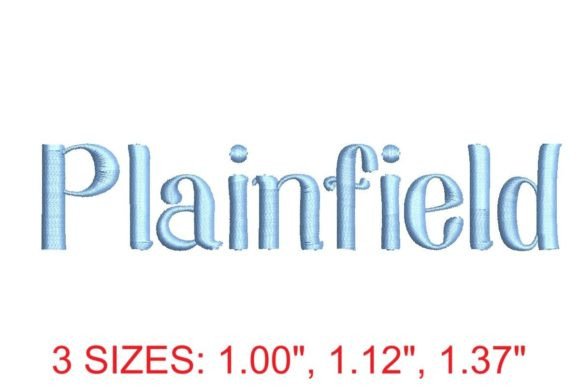
As I unzipped the folder containing the Plainfield Embroidery Font, I was immediately struck by its clean, elegant lines. It’s a font that walks the line between classic and modern without leaning too far in either direction. The design feels refined—perfect for embroiderers who want to add a touch of sophistication to their handmade products without overwhelming the fabric.
For craft fair sellers and Etsy shop owners, this font is a quiet crowd-pleaser. It doesn’t shout for attention like a bold script or cartoonish typeface. Instead, it whispers elegance, which makes it ideal for personalized gifts, monogrammed home goods, and minimalist apparel that appeal to a wide range of customers.
How Plainfield Performs Across Popular Craft Fair Products
When setting up a booth, you want designs that work across multiple product types. Plainfield Embroidery Font delivers that flexibility. Here’s how it holds up on some of the most popular handmade items:
- Tote bags: Perfect for adding names or short quotes. The font’s clean spacing ensures readability even from a few feet away.
- Aprons: Works beautifully for personalization on chest or waist pockets. Its balanced proportions make it ideal for small-to-medium text.
- Tea towels: This font elevates simple kitchen linens into giftable items. Just a name or date embroidered in the corner adds handmade charm.
- Caps: Curved surfaces can be tricky, but Plainfield holds up well for short text like initials or short titles.
- Embroidered patches: The font’s moderate stitch density makes it easy to cut around and apply to jackets or bags.
- Fabric pouches: Great for labeling or adding a custom message on small spaces.
- Pillow covers: Ideal for adding a name, quote, or seasonal message without overpowering the design of the pillow itself.
Visual Appeal and Booth Display Strength
One of the biggest selling points of the Plainfield Embroidery Font is its ability to stand out subtly. At a craft fair, where tables are packed with color and texture, this font can be the breath of fresh air that draws a customer in for a closer look.
It photographs beautifully for Etsy listings and printable mockups, especially when paired with soft, neutral fabrics. The font’s consistency makes it easy to maintain brand identity across multiple products, which is key for small shop owners trying to build recognition.
Production Practicality: What You Need to Know Before Stitching
From a production standpoint, Plainfield Embroidery Font is straightforward to work with. It’s not overly dense, which means it stitches out quickly and doesn’t wear down your machine as fast as more complex designs. However, there are a few caveats:
- Small lettering: Be cautious with text under 0.5 inches. Some of the serifs may close up on finer fabrics.
- Stitch density: While generally well-balanced, check for tight spots in capital letters like “E” or “R” that might pucker thin fabrics.
- Thread contrast: Test on both light and dark fabrics. Some of the thinner strokes can get lost on textured or dark materials.
- Hoop size: Make sure your machine can accommodate the maximum text length you plan to stitch out. The font scales well, but longer lines will require larger hoops.
Careful-Use Notes: Avoiding Common Pitfalls
Even the best embroidery fonts can run into issues depending on the application. Here are some situations where Plainfield Embroidery Font might need extra attention:
- Dense stitch areas: Watch for buildup in letters with crossbars or enclosed spaces. These can cause stiffness on soft cottons or linen.
- Textured towels: Raised or looped fabrics may obscure fine details, especially in lowercase letters.
- Curved cap surfaces: Letter spacing should be slightly increased to compensate for distortion on rounded areas.
- Dark fabric: Use light thread for contrast, or consider adding a small outline stitch for visibility.
- Smaller sizes: The font loses some of its elegance when scaled below 0.4 inches. Stick to 0.6 inches or larger for best results.
From Design to Display: Making the Most of Plainfield
As a designer preparing for a weekend craft fair, I always think about how a design translates from the embroidery machine to the product table. Plainfield Embroidery Font has a quiet strength that works well in a booth setting—especially when grouped with other minimalist designs.
It pairs beautifully with natural fibers like linen, cotton, and burlap, and complements both modern and rustic booth themes. If you're selling back to school items like personalized lunch bags or teacher gifts, this font gives your product a polished, professional edge that parents and educators appreciate.
Designer Tips Before You Stitch and Sell
Before launching into full production, here are a few steps I always take with a new machine embroidery design:
- Test on scrap fabric: Always run a sample before committing to your final material.
- Check thread contrast: Try at least two thread colors on light and dark fabric swatches.
- Review spacing: Make sure letters don’t overlap when stitching out longer words.
- Confirm hoop size: Know your machine’s limitations before designing your product layout.
- Inspect stitch density: Adjust if needed for fabric type or desired texture.
- Use the right stabilizer: Light tear-away works best for most cottons and linens.
- Create a real mockup: Don’t rely solely on digital previews. A physical sample tells you everything.
- Compare fabric colors: The same font can look dramatically different on ivory vs. white.
- Confirm commercial licensing: If you’re selling finished products, ensure the digital embroidery file allows for resale.
Final Thoughts: A Solid Investment for Handmade Sellers
The Plainfield Embroidery Font is a smart addition to any embroidery business focused on clean, elegant handmade products. It’s versatile enough for a variety of items, scales well for different uses, and photographs beautifully for online listings.
Whether you're crafting for a craft fair booth, building a line of small shop products, or expanding your commercial embroidery offerings, this font is a quiet but powerful tool in your design arsenal. With a little planning and testing, it can become a staple in your creative toolkit.